

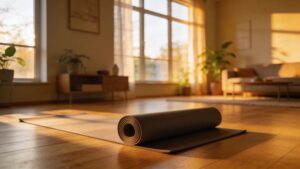
Yoga for Beginners: The Complete Guide to Getting Started at Home
Want to start yoga at home but don’t know where to begin? This complete beginner’s guide breaks down everything you need to build a simple, effective yoga routine. Learn how to create a calming space, master basic poses, and stay consistent without feeling overwhelmed. Whether your goal is flexibility, strength, or stress relief, this guide helps you start confidently and build a lasting yoga habit.
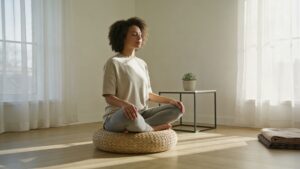
Meditation for Beginners: How to Start and Actually Stick With It
Struggling to start meditation or stick with it consistently? This beginner-friendly guide shows you how to build a simple, effective meditation routine that actually lasts. Learn how to quiet your mind, overcome common frustrations, and stay consistent even on busy days. Whether you want less stress, better focus, or more clarity, this guide helps you turn meditation into a powerful daily habit.
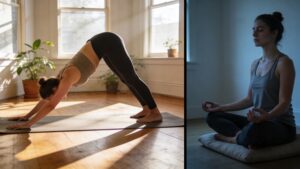
Yoga vs Meditation: What’s the Difference and Which Is Right for You
Trying to decide between yoga and meditation but not sure which is right for you? This guide breaks down the key differences, benefits, and real-world applications of both practices. Learn how each one impacts your body and mind, and discover how to choose the best fit for your lifestyle. Whether you want movement, stillness, or both, this article helps you decide with confidence.
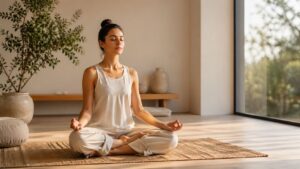
10-Minute Daily Meditation Routine for Stress and Anxiety Relief
Struggling to quiet your mind in a busy, stressful world? This 10-minute daily meditation routine offers a simple, effective way to reduce anxiety and regain control. Designed for beginners and busy schedules, it guides you through breathing, focus, and relaxation techniques that build lasting calm. With consistency, these few minutes each day can reshape how you respond to stress and improve your overall well-being.

Best Yoga Poses for Stress Relief and Mental Clarity
Feeling overwhelmed and mentally drained by daily stress? Discover the best yoga poses for stress relief and mental clarity in this simple, effective guide. From gentle stretches to restorative positions, these poses help calm your nervous system, release tension, and sharpen focus. Whether you’re a beginner or experienced, this routine offers a powerful way to reset your mind and feel more balanced every day.
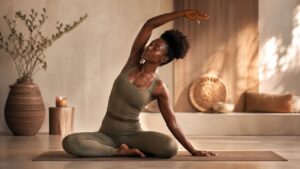
How to Build a Daily Yoga and Meditation Habit That Lasts
Struggling to stay consistent with yoga and meditation in your daily routine? This guide shows you how to build a habit that actually lasts. With simple strategies, realistic expectations, and easy routines, you’ll learn how to stay committed without feeling overwhelmed. Discover how small, consistent actions can lead to lasting calm, improved focus, and a stronger mind-body connection over time.
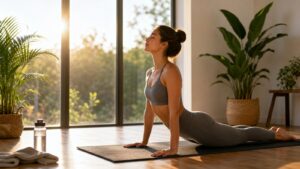
Morning Yoga Routine to Boost Energy and Focus All Day
This Health Streets guide explains morning yoga routine to boost energy and focus all day in plain language, with practical habits, key body signals, common mistakes, and realistic next steps for yoga & meditation readers.