
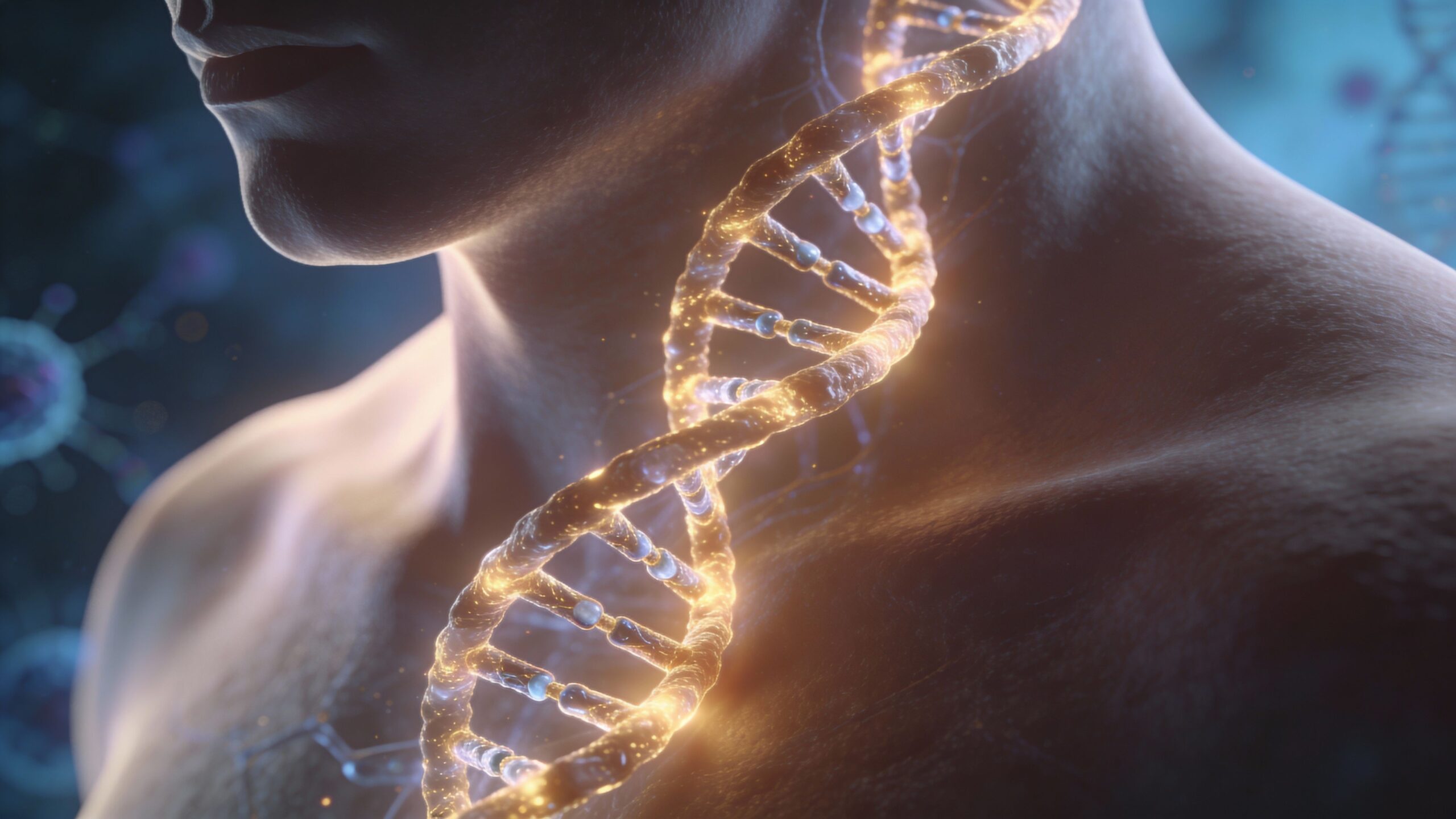
Genetics & DNA Health is where the story of your body truly begins—written in code, shaped by environment, and influenced by choices made every day. This space explores how your genetic blueprint impacts everything from metabolism and immunity to disease risk and longevity, while separating real science from hype. Here, you’ll find clear, engaging insights into how DNA works, what genetic testing can (and can’t) reveal, and how modern research is transforming personalized health. We dive into gene expression, epigenetics, inherited conditions, and cutting-edge discoveries that show how lifestyle, nutrition, and environment interact with your DNA over time. Rather than viewing genetics as destiny, this category highlights how knowledge empowers smarter decisions and proactive care. Each article connects complex science to practical understanding, helping you see how breakthroughs in genetics are reshaping prevention, diagnosis, and treatment. Whether you’re curious about ancestry, long-term health planning, or the future of personalized medicine, Genetics & DNA Health offers a grounded, forward-looking guide to understanding the code that makes you, you.
A: It can be—especially for medication response, strong family history, or planning kids. For general wellness, the most useful results are the actionable ones.
A: Ancestry tests focus on heritage; health tests focus on variants linked to risk or drug response—often with different validation standards.
A: Rarely. Most results shift probability. A few high-penetrance variants can strongly predict risk, but they’re not the norm.
A: Use caution. Most “DNA diet” claims are overconfident; proven basics (protein, fiber, calories, sleep, activity) matter more.
A: The lab found a change, but current evidence can’t label it harmful or harmless—usually not a basis for major decisions.
A: It’s strongly recommended for high-impact findings (especially cancer/heart genes), confusing results, or when family implications are significant.
A: Sometimes—pharmacogenomics can help predict metabolism and side effects, but diagnosis, dose, and interactions also matter.
A: You can, but it increases privacy risk. Read policies carefully and avoid sharing if you’re uncomfortable with long-term data storage.
A: Your DNA doesn’t change, but interpretation does—reclassification happens as research grows.
A: Build a detailed family health history and share it with your clinician—it often drives the most practical screening decisions.