
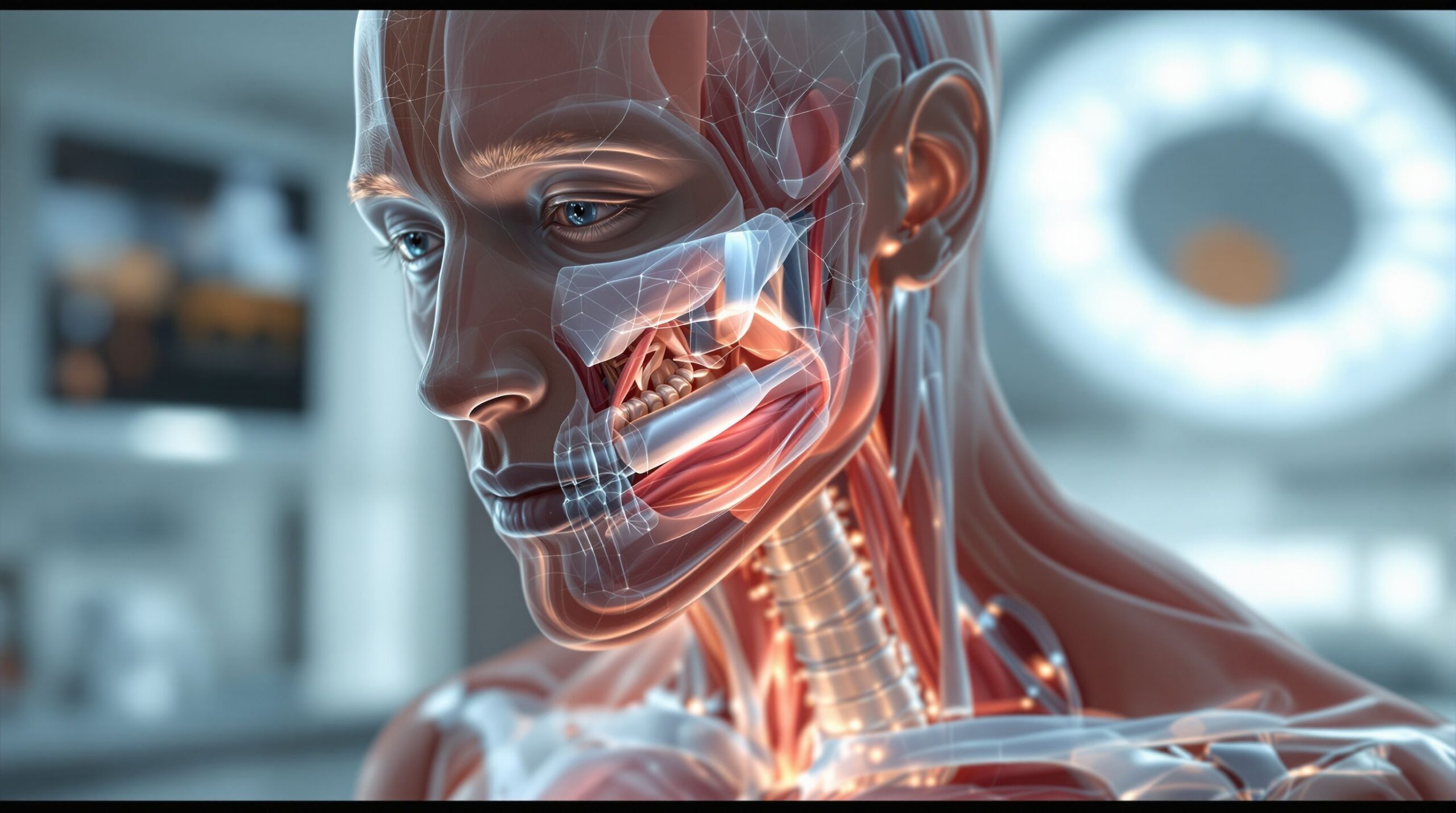
Welcome to Anatomy Explorer, a dynamic gateway into the incredible architecture of the human body. This collection is designed to help you move beyond surface-level understanding and explore how structures, systems, and functions work together to shape everyday health and movement. Whether you are curious about muscles and joints, fascinated by organs and body systems, or seeking a clearer picture of how anatomy connects to fitness, healing, and longevity, these articles break complex ideas into engaging, easy-to-follow insights. Anatomy Explorer emphasizes visual thinking, real-world relevance, and practical understanding, making it easier to see how form supports function from head to toe. Each piece invites you to explore the body as an interconnected system rather than a set of isolated parts, helping you build confidence in your health knowledge along the way. Think of this space as a guided journey through the body’s inner landscape, where curiosity meets clarity and learning feels intuitive, empowering, and genuinely fascinating.
A: Pair visuals with movement—label diagrams, then feel the structures during simple motions.
A: Not really—core is a pressure system; breathing mechanics and deep stability matter.
A: DOMS is common after new loads; it reflects tissue stress and adaptation, not necessarily injury.
A: Tendons connect muscle to bone; ligaments connect bone to bone at joints.
A: The nervous system shifts digestion, breathing, and muscle tension during stress responses.
A: Movement circulates synovial fluid—gentle motion often helps stiffness.
A: Yes—rib and diaphragm mechanics change with slumped vs. stacked alignment.
A: Do a 60-second daily body scan: breath, posture, neck tension, hips, and feet alignment.
A: If it’s severe, worsening, lasts weeks, follows injury, or includes numbness/weakness, get evaluated.
A: Many are great for learning landmarks—use them for education, not diagnosis or treatment decisions.