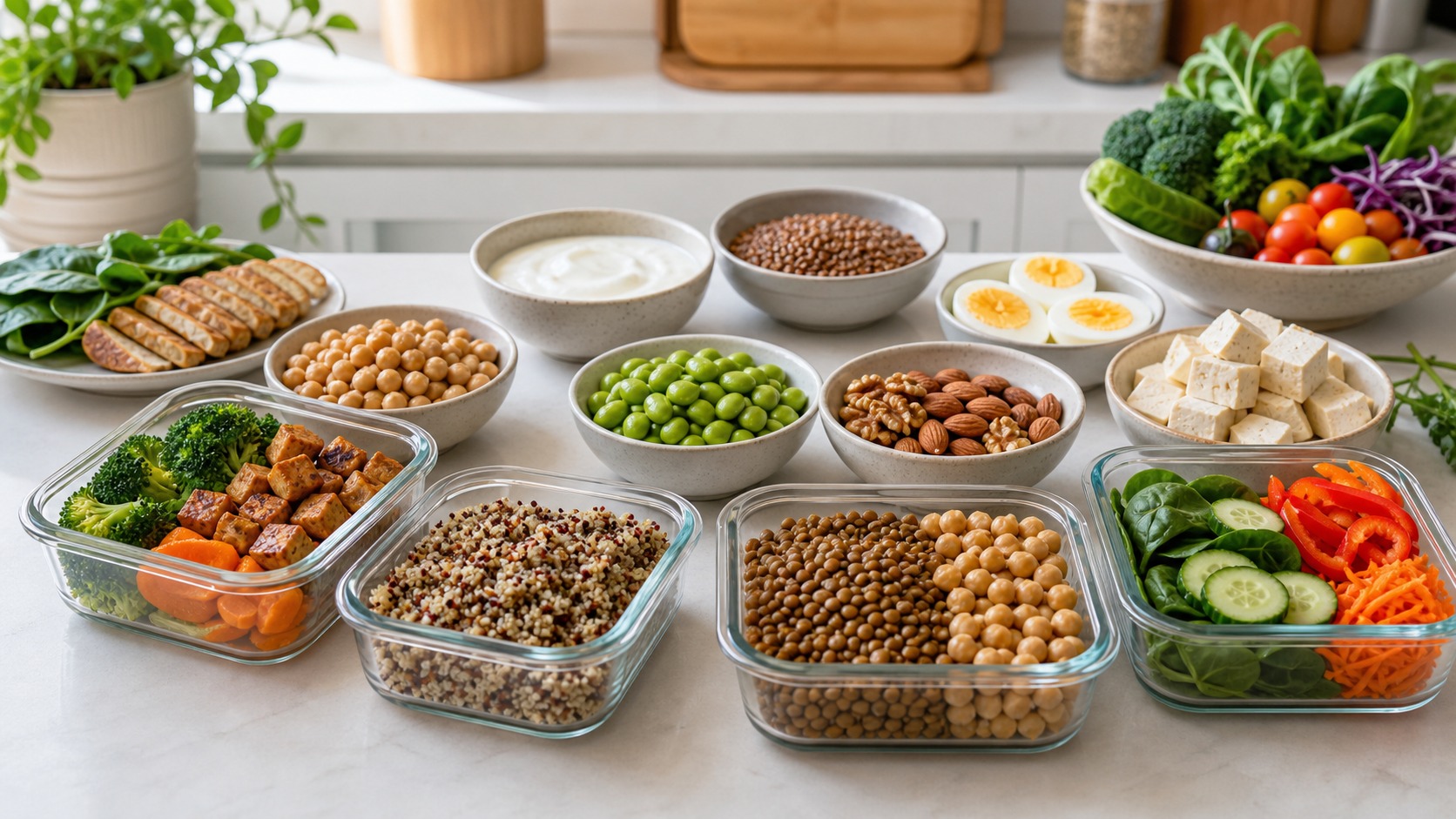
A high-protein diet plan for weight loss and muscle growth is not a passing trend. It is a science-backed strategy built on one powerful principle: protein is the most metabolically active macronutrient your body consumes. Whether your goal is shedding excess body fat, building lean muscle, or reshaping your physique with intention, protein sits at the center of sustainable transformation. Protein supports fat loss by increasing satiety, preserving lean mass, and slightly boosting calorie burn through digestion. At the same time, it fuels muscle repair and growth, especially when combined with resistance training. Unlike extreme calorie-restriction plans that leave you drained and hungry, a well-structured high-protein diet provides structure without deprivation. The real power of a high-protein diet plan lies in balance. It is not about eliminating carbohydrates or drowning every meal in steak. It is about strategic intake, quality food choices, and consistent execution. When designed correctly, this approach allows you to lose fat while maintaining strength and performance, or gain muscle with minimal unwanted fat gain.
A: It helps appetite and muscle retention, but you still need a calorie deficit for fat loss.
A: Many do well around 0.7–1.0g per pound of goal bodyweight, alongside progressive strength training.
A: For healthy people, higher protein is typically fine; if you have kidney disease, talk with a clinician first.
A: No—whole food works. Powder is just a convenience tool for busy days.
A: Lean, high-satiety options like chicken, fish, Greek yogurt, cottage cheese, and lean meats.
A: Either can work—get a solid protein serving within a few hours around training.
A: Use tofu, tempeh, edamame, lentils, beans, Greek yogurt/eggs (if included), and consider a protein supplement.
A: Yes—carbs can improve training performance and help you keep intensity high.
A: It’s often low fiber, low water, or sudden changes—add produce/whole grains and increase water gradually.
A: Add one “protein anchor” to each meal (25–40g) and keep it consistent for two weeks.
The Science Behind High-Protein Diets and Fat Loss
Protein influences weight loss through several mechanisms. First, it increases satiety hormones while reducing hunger hormones. When you eat a protein-rich meal, you feel fuller for longer compared to meals high in refined carbohydrates or added fats. This naturally reduces overall calorie intake without requiring extreme discipline.
Second, protein has a higher thermic effect of food. This means your body burns more calories digesting protein than it does digesting carbohydrates or fats. While the difference is not dramatic enough to replace exercise, it does contribute to improved metabolic efficiency over time.
Most importantly, protein preserves lean muscle mass during a calorie deficit. When you reduce calories for fat loss, your body can lose both fat and muscle. Adequate protein intake, combined with strength training, signals your body to maintain muscle tissue while using stored fat for energy. This leads to a leaner appearance, better metabolic health, and more sustainable long-term results.
Research consistently suggests that individuals aiming for weight loss and muscle retention benefit from consuming approximately 0.7 to 1 gram of protein per pound of body weight daily, depending on activity level and training intensity. This range supports fat reduction without sacrificing muscle integrity.
Building Muscle: Protein as the Foundation of Growth
Muscle growth, or hypertrophy, requires two essential ingredients: progressive resistance training and sufficient protein intake. When you lift weights, you create microscopic tears in muscle fibers. Protein provides the amino acids needed to repair and rebuild those fibers stronger than before.
Without adequate protein, muscle recovery slows, strength plateaus, and progress stalls. A high-protein diet ensures that muscle protein synthesis outpaces muscle protein breakdown, especially when calories are slightly elevated for growth phases.
Timing also plays a role. Distributing protein evenly across meals helps maintain a steady supply of amino acids in the bloodstream. Instead of consuming most of your protein at dinner, aim for balanced portions at breakfast, lunch, and dinner, with optional high-protein snacks in between.
For muscle growth, protein needs often range from 0.8 to 1 gram per pound of body weight, paired with a slight caloric surplus. However, quality matters just as much as quantity. Lean meats, fish, eggs, dairy, legumes, and plant-based protein sources provide complete amino acid profiles necessary for optimal muscle repair.
Choosing the Right Protein Sources for Optimal Results
Not all protein sources are created equal. A high-protein diet plan for weight loss and muscle growth should emphasize nutrient-dense options that support overall health.
Lean animal proteins are among the most efficient sources. Chicken breast, turkey, lean beef, salmon, tuna, and eggs provide high biological value protein, meaning they contain all essential amino acids in proportions your body can easily utilize. Greek yogurt and cottage cheese are also excellent choices, offering both protein and beneficial nutrients like calcium.
Plant-based proteins play a valuable role as well. Lentils, chickpeas, black beans, quinoa, tofu, tempeh, and edamame provide fiber along with protein, improving digestion and blood sugar control. While some plant proteins are incomplete individually, combining different sources throughout the day ensures a full amino acid spectrum.
Protein supplements can serve as convenient tools rather than necessities. Whey protein, casein, and plant-based protein powders can help you meet daily targets when whole food options are limited. However, the foundation of your plan should always be whole, minimally processed foods.
Balance remains key. A high-protein diet does not eliminate carbohydrates or fats. Whole grains, fruits, vegetables, nuts, seeds, and healthy fats support hormonal balance, performance, and long-term adherence.
Structuring a High-Protein Diet Plan for Fat Loss
When the primary goal is weight loss, calorie control combined with high protein intake creates the ideal environment for fat reduction. The structure of your meals should prioritize protein first, followed by fiber-rich vegetables and moderate portions of complex carbohydrates.
A typical day might begin with a breakfast of eggs and egg whites paired with sautéed spinach and whole grain toast. Lunch could include grilled chicken over a large mixed greens salad with olive oil and a serving of quinoa. Dinner might feature baked salmon with roasted vegetables and a small portion of brown rice.
Snacks should reinforce protein targets rather than undermine them. Greek yogurt with berries, cottage cheese, a protein shake, or a handful of almonds can keep hunger controlled between meals.
Hydration also supports results. Adequate water intake assists digestion, nutrient transport, and appetite regulation. Sleep and stress management play equally important roles. Even the most structured high-protein meal plan can be undermined by chronic sleep deprivation or unmanaged stress.
Consistency matters more than perfection. A sustainable high-protein diet for weight loss allows occasional flexibility while maintaining weekly averages aligned with your calorie and protein goals.
Structuring a High-Protein Diet Plan for Muscle Growth
For muscle growth, the strategy shifts slightly. Instead of a calorie deficit, you operate in a modest surplus. Protein intake remains high, but total calories increase primarily through carbohydrates to fuel training intensity and recovery.
A growth-focused day might start with oatmeal mixed with protein powder and topped with fruit and nut butter. Lunch could include lean ground beef with sweet potatoes and vegetables. Dinner may feature grilled chicken, brown rice, and steamed broccoli. Snacks might consist of Greek yogurt, rice cakes with peanut butter, or a protein smoothie blended with banana and oats.
Pre-workout meals should include both carbohydrates and protein to maximize energy and performance. Post-workout meals should emphasize protein to support muscle repair, alongside carbohydrates to replenish glycogen stores.
Monitoring progress becomes essential. If weight gain exceeds about half a pound per week consistently, you may be accumulating excess fat. Adjusting calories gradually helps maintain a lean muscle-building phase.
Strength training remains the stimulus for growth. Without progressive overload, even the highest protein intake will not translate into increased muscle mass.
Common Mistakes to Avoid on a High-Protein Diet
Despite its benefits, a high-protein diet plan can be misapplied. One frequent mistake is drastically cutting carbohydrates. Carbohydrates are not the enemy. They fuel workouts, support recovery, and maintain hormonal balance. Eliminating them often leads to fatigue, reduced performance, and unsustainable eating patterns.
Another error is relying too heavily on processed protein bars and shakes. While convenient, many are high in added sugars and artificial ingredients. Whole foods should remain the priority.
Neglecting fiber is another issue. Focusing exclusively on protein without sufficient vegetables, fruits, and whole grains can lead to digestive discomfort. A balanced high-protein diet includes ample fiber to support gut health.
Finally, some individuals assume more protein always equals better results. Beyond a certain threshold, excess protein does not accelerate muscle growth. Instead, it simply contributes additional calories. Precision and balance produce better outcomes than extremes.
Turning Strategy Into Results: Long-Term Sustainability
The most effective high-protein diet plan for weight loss and muscle growth is one you can maintain for months and years, not weeks. Quick fixes may produce rapid changes, but sustainable systems create lasting transformation. Meal preparation simplifies adherence. Cooking proteins in bulk, pre-portioning meals, and keeping high-protein snacks accessible reduce decision fatigue. Tracking intake, especially in the early stages, can help you understand portion sizes and macro distribution. As someone focused on building discipline in academics, career, and long-term goals, you already understand the power of compounding effort. A high-protein diet functions similarly. Small daily choices accumulate into measurable physical change. Each balanced meal reinforces metabolic health, muscle preservation, and performance capacity. Over time, your body composition shifts. Energy levels stabilize. Workouts improve. Confidence grows. The goal is not just weight loss or muscle gain. It is building a stronger, leaner, more resilient version of yourself. A high-protein diet plan, executed with intention and consistency, provides a structured path toward that outcome. Prioritize quality protein sources, maintain balance with carbohydrates and fats, train progressively, and commit to steady progress. The transformation you seek is built one meal, one workout, and one disciplined decision at a time.