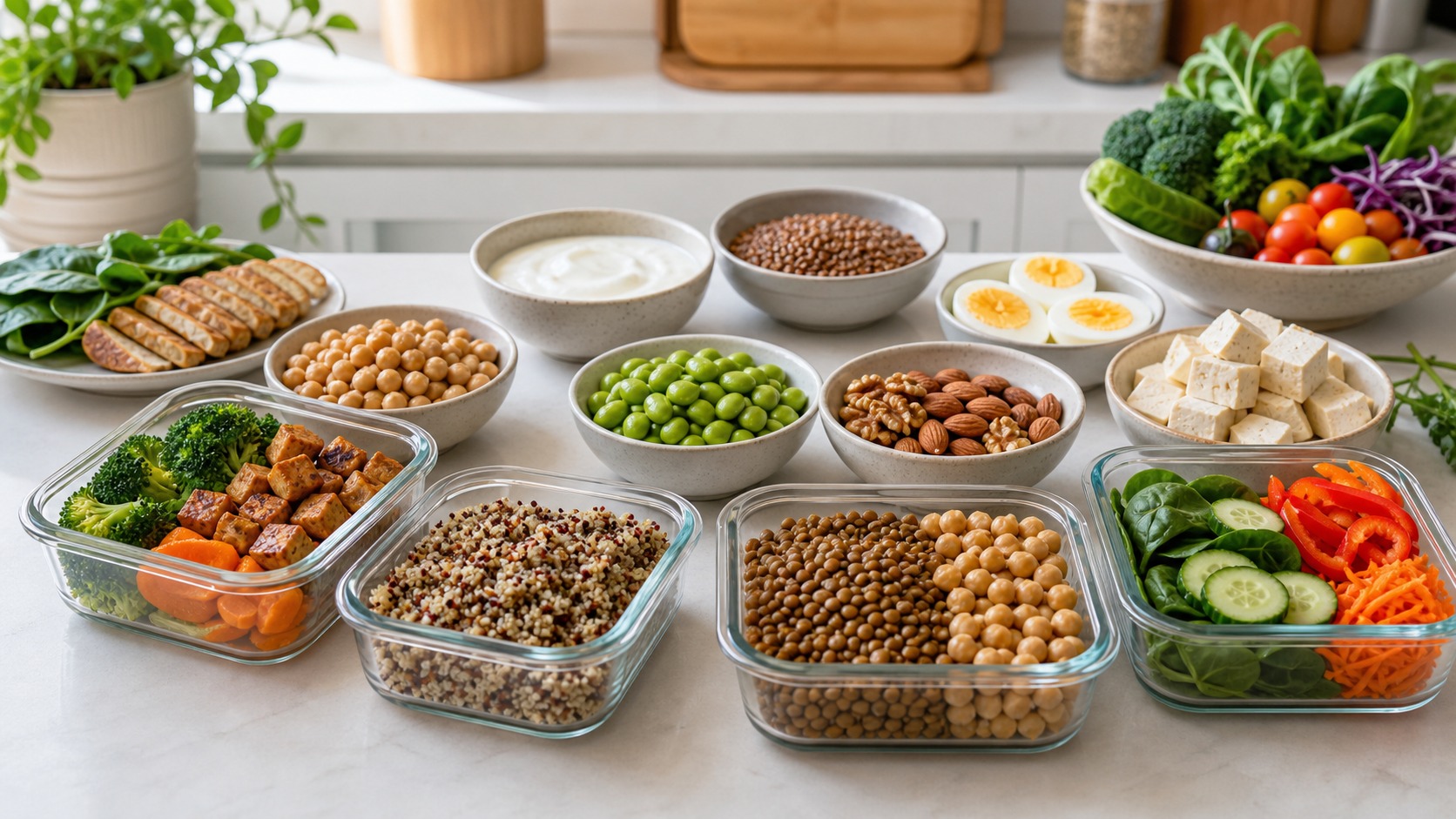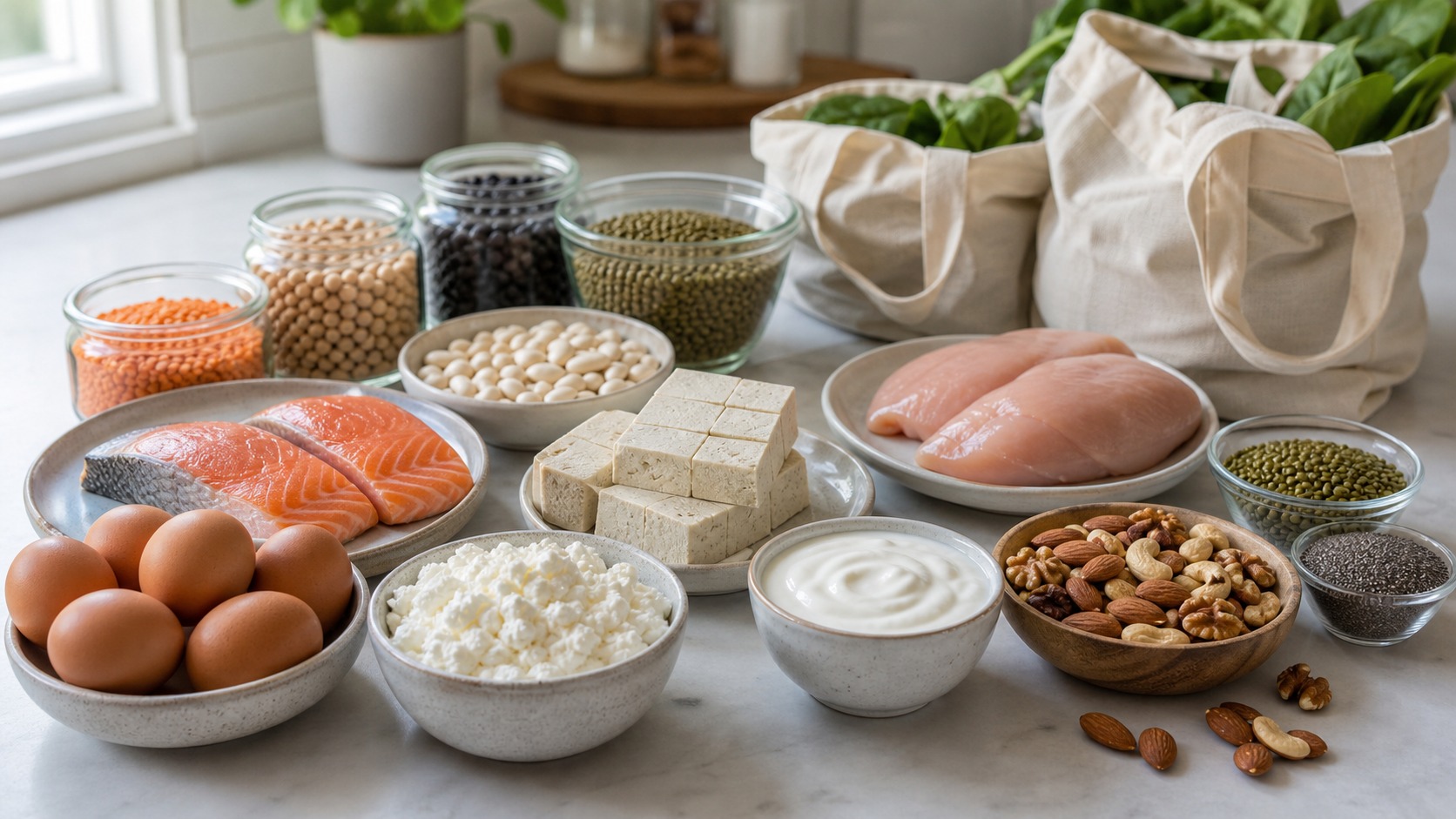
How to Build a High-Protein Grocery List is the kind of health topic that can sound straightforward until someone tries to apply it in real life. People want clear answers, but they also need context: what matters most, what can wait, what is backed by evidence, and what should be discussed with a qualified clinician. This guide explains build a high-protein grocery list in plain language so readers can understand the practical choices, common mistakes, and realistic next steps connected to nutrition & diet.
A: Often, small habits help, but medical symptoms or diagnosed conditions should be discussed with a professional.
A: Some changes are noticeable quickly, while deeper health patterns may take weeks or months.
A: Changing too much at once makes it harder to know what actually helped.
A: Usually no; clear routines and evidence-based guidance matter more than complicated tools.
A: Call promptly for severe, sudden, worsening, or unusual symptoms.
A: Yes, stress can influence sleep, appetite, inflammation, pain, energy, and follow-through.
A: A simple note about symptoms, meals, sleep, or activity can reveal useful patterns.
A: It depends; prefer sources that explain evidence, limits, and safety considerations.
A: Yes, when it becomes part of a realistic routine rather than a short burst.
A: Pick one specific action you can repeat for seven days and review honestly.
What the Topic Really Means
For busy adults who need clear, usable information rather than another complicated rulebook, build a high-protein grocery list can feel simple at first and surprisingly layered once real schedules, preferences, and symptoms enter the picture. People often get stuck because they search for one universal answer, when the better question is what pattern produces fewer avoidable setbacks over time. People often get stuck because they search for one universal answer, when the better question is what pattern produces fewer avoidable setbacks over time. That is why the details matter: timing, portion, consistency, stress, sleep, movement, medications, and personal history can all change what works. Over time, that approach turns build a high-protein grocery list from an abstract health concept into something measurable, personal, and easier to discuss with a professional.
Why Timing and Consistency Matter
Why Timing and Consistency Matter starts with understanding how build a high-protein grocery list fits into ordinary life, not just how it looks in a headline. This is especially important in nutrition & diet, where everyday habits and medical context often overlap. The goal is to reduce guesswork while avoiding the common trap of treating one trend as a complete plan. People often get stuck because they search for one universal answer, when the better question is what pattern produces steady energy over time. The goal is to reduce guesswork while avoiding the common trap of treating one trend as a complete plan. Small adjustments become more powerful when they are repeated, reviewed, and adapted instead of judged as a pass-or-fail test.
The Link Between Symptoms, Habits, and Risk
The most useful way to think about build a high-protein grocery list is to connect the big idea to small decisions that repeat every day. That is why the details matter: timing, portion, consistency, stress, sleep, movement, medications, and personal history can all change what works. That is why the details matter: timing, portion, consistency, stress, sleep, movement, medications, and personal history can all change what works. The goal is to reduce guesswork while avoiding the common trap of waiting too long to ask a qualified professional for help. This is especially important in nutrition & diet, where everyday habits and medical context often overlap. Over time, that approach turns build a high-protein grocery list from an abstract health concept into something measurable, personal, and easier to discuss with a professional.
Better Questions to Ask
A strong plan for build a high-protein grocery list does not require perfection; it requires a clear reason, a workable rhythm, and honest feedback from the body. People often get stuck because they search for one universal answer, when the better question is what pattern produces fewer avoidable setbacks over time. That is why the details matter: timing, portion, consistency, stress, sleep, movement, medications, and personal history can all change what works. When the advice is grounded in evidence and adjusted to the person, it becomes easier to notice progress without chasing every new claim. People often get stuck because they search for one universal answer, when the better question is what pattern produces fewer avoidable setbacks over time. Use this section as a way to slow the topic down, separate what is useful from what is noisy, and build a next step that can actually survive the week.
How to Personalize the Advice
A strong plan for build a high-protein grocery list does not require perfection; it requires a clear reason, a workable rhythm, and honest feedback from the body. This is especially important in nutrition & diet, where everyday habits and medical context often overlap. When the advice is grounded in evidence and adjusted to the person, it becomes easier to notice progress without chasing every new claim. This is especially important in nutrition & diet, where everyday habits and medical context often overlap. When the advice is grounded in evidence and adjusted to the person, it becomes easier to notice progress without chasing every new claim. Use this section as a way to slow the topic down, separate what is useful from what is noisy, and build a next step that can actually survive the week.
Mistakes That Can Slow Progress
A strong plan for build a high-protein grocery list does not require perfection; it requires a clear reason, a workable rhythm, and honest feedback from the body. That is why the details matter: timing, portion, consistency, stress, sleep, movement, medications, and personal history can all change what works. The goal is to reduce guesswork while avoiding the common trap of confusing short-term changes with long-term progress. That is why the details matter: timing, portion, consistency, stress, sleep, movement, medications, and personal history can all change what works. The goal is to reduce guesswork while avoiding the common trap of confusing short-term changes with long-term progress. Over time, that approach turns build a high-protein grocery list from an abstract health concept into something measurable, personal, and easier to discuss with a professional.
A Practical Closing Perspective
A strong plan for build a high-protein grocery list does not require perfection; it requires a clear reason, a workable rhythm, and honest feedback from the body. People often get stuck because they search for one universal answer, when the better question is what pattern produces a calmer relationship with health information over time. When the advice is grounded in evidence and adjusted to the person, it becomes easier to notice progress without chasing every new claim. That is why the details matter: timing, portion, consistency, stress, sleep, movement, medications, and personal history can all change what works. When the advice is grounded in evidence and adjusted to the person, it becomes easier to notice progress without chasing every new claim. Use this section as a way to slow the topic down, separate what is useful from what is noisy, and build a next step that can actually survive the week.
Final Thoughts on Build a High-Protein Grocery List
How to Build a High-Protein Grocery List should not leave readers feeling pressured to overhaul everything at once. The strongest health changes usually begin with one clear observation, one realistic adjustment, and a willingness to keep learning from the result. If symptoms are intense, persistent, unusual, or connected to a diagnosed condition, professional medical guidance is the right next step. For everyone else, the best place to begin is with steady choices that make the body easier to understand and health decisions easier to repeat.
What This Means in Real Life 1
A strong plan for build a high-protein grocery list does not require perfection; it requires a clear reason, a workable rhythm, and honest feedback from the body. The goal is to reduce guesswork while avoiding the common trap of confusing short-term changes with long-term progress. This is especially important in nutrition & diet, where everyday habits and medical context often overlap. This is especially important in nutrition & diet, where everyday habits and medical context often overlap. That is why the details matter: timing, portion, consistency, stress, sleep, movement, medications, and personal history can all change what works. This is especially important in nutrition & diet, where everyday habits and medical context often overlap. Over time, that approach turns build a high-protein grocery list from an abstract health concept into something measurable, personal, and easier to discuss with a professional.
What This Means in Real Life 2
The most useful way to think about build a high-protein grocery list is to connect the big idea to small decisions that repeat every day. That is why the details matter: timing, portion, consistency, stress, sleep, movement, medications, and personal history can all change what works. People often get stuck because they search for one universal answer, when the better question is what pattern produces better daily confidence over time. This is especially important in nutrition & diet, where everyday habits and medical context often overlap. This is especially important in nutrition & diet, where everyday habits and medical context often overlap. This is especially important in nutrition & diet, where everyday habits and medical context often overlap. Over time, that approach turns build a high-protein grocery list from an abstract health concept into something measurable, personal, and easier to discuss with a professional.
What This Means in Real Life 3
For busy adults who need clear, usable information rather than another complicated rulebook, build a high-protein grocery list can feel simple at first and surprisingly layered once real schedules, preferences, and symptoms enter the picture. This is especially important in nutrition & diet, where everyday habits and medical context often overlap. This is especially important in nutrition & diet, where everyday habits and medical context often overlap. That is why the details matter: timing, portion, consistency, stress, sleep, movement, medications, and personal history can all change what works. The goal is to reduce guesswork while avoiding the common trap of following advice that ignores personal context. The goal is to reduce guesswork while avoiding the common trap of following advice that ignores personal context. Small adjustments become more powerful when they are repeated, reviewed, and adapted instead of judged as a pass-or-fail test.
What This Means in Real Life 4
The most useful way to think about build a high-protein grocery list is to connect the big idea to small decisions that repeat every day. People often get stuck because they search for one universal answer, when the better question is what pattern produces more realistic routines over time. This is especially important in nutrition & diet, where everyday habits and medical context often overlap. This is especially important in nutrition & diet, where everyday habits and medical context often overlap. That is why the details matter: timing, portion, consistency, stress, sleep, movement, medications, and personal history can all change what works. That is why the details matter: timing, portion, consistency, stress, sleep, movement, medications, and personal history can all change what works. Over time, that approach turns build a high-protein grocery list from an abstract health concept into something measurable, personal, and easier to discuss with a professional.
What This Means in Real Life 5
What This Means in Real Life 5 starts with understanding how build a high-protein grocery list fits into ordinary life, not just how it looks in a headline. People often get stuck because they search for one universal answer, when the better question is what pattern produces more realistic routines over time. The goal is to reduce guesswork while avoiding the common trap of waiting too long to ask a qualified professional for help. That is why the details matter: timing, portion, consistency, stress, sleep, movement, medications, and personal history can all change what works. This is especially important in nutrition & diet, where everyday habits and medical context often overlap. Use this section as a way to slow the topic down, separate what is useful from what is noisy, and build a next step that can actually survive the week.