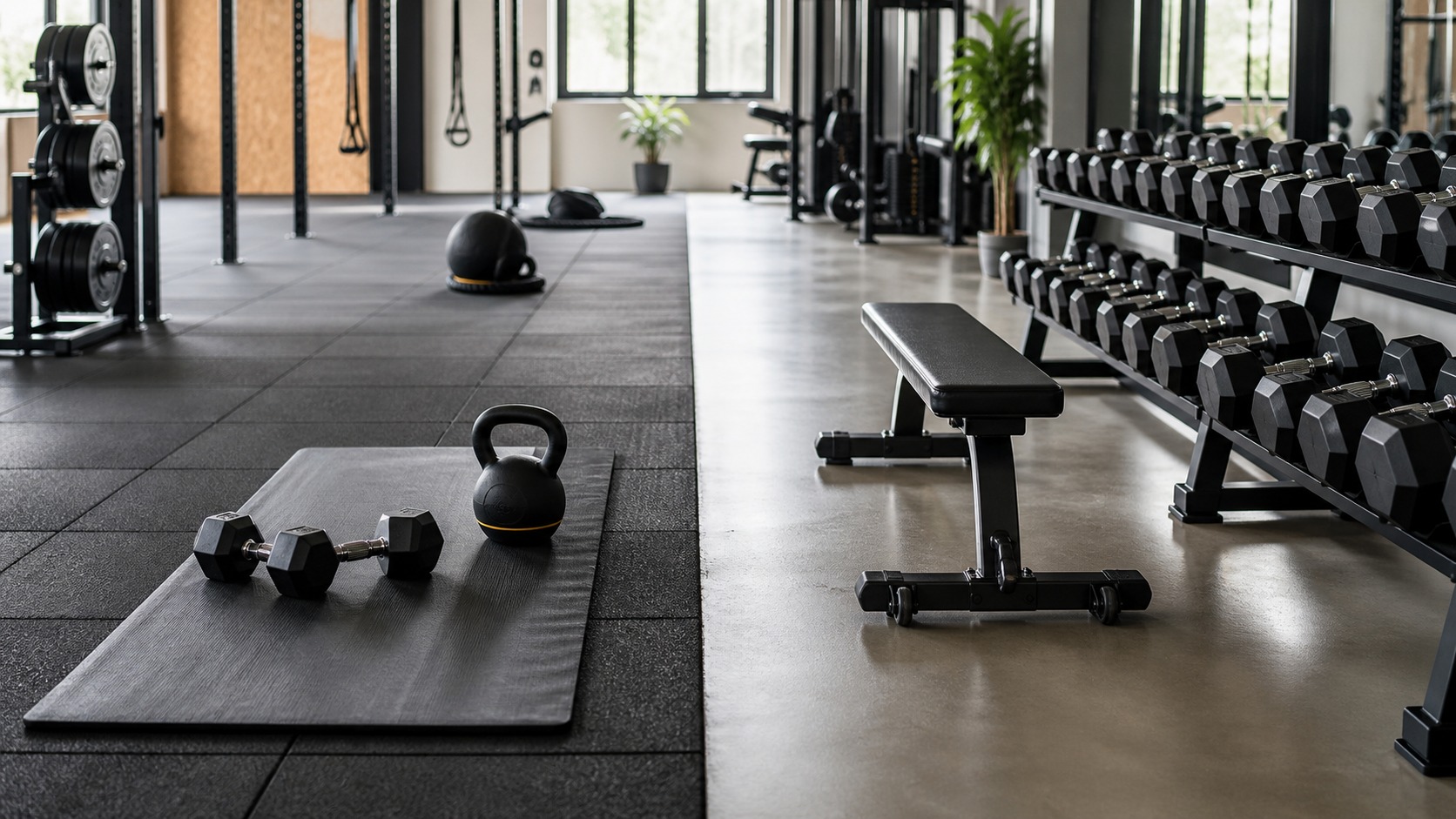
Starting to work out after years of inactivity can feel intimidating. Maybe life became busy. Maybe work, school, family, or stress pushed exercise to the bottom of the priority list. Or maybe an injury or health challenge disrupted your routine. Whatever the reason, the important truth is this: it is never too late to begin again. Your body is remarkably adaptable. Even after years of inactivity, muscles can regain strength, the cardiovascular system can improve, flexibility can return, and energy levels can rise. The key is approaching this new beginning with patience, strategy, and realistic expectations. This guide will walk you through exactly how to start working out after years of inactivity. You will learn how to assess your current fitness level, build a safe and effective routine, avoid common mistakes, and create habits that stick. The goal is not to punish your body for lost time. The goal is to rebuild it wisely and sustainably.
A: Start with 2–3 days/week of strength plus walking on the other days.
A: Moderate—finish feeling like you could do a little more.
A: Reduce sets next time and keep moving lightly; soreness should trend down week to week.
A: Prioritize strength first, then add easy cardio; walking can be done anytime.
A: Full-body, 2 sets per move, controlled reps, stable variations.
A: Use a minimum plan: a short session you’ll do even on busy weeks.
A: When you can complete the top of your rep range with great form for two sessions.
A: Choose pain-free variations, reduce range, and consider a coach or PT for guidance.
A: Many notice better energy and mood within 1–2 weeks of consistent movement.
A: No—walking plus simple strength moves at home is enough to rebuild momentum.
Reset Your Mindset Before You Move a Muscle
Before you perform a single squat or take your first brisk walk, your mindset matters. One of the biggest obstacles for people returning to exercise is comparison. You may remember what you used to lift, how far you used to run, or how you once looked in the mirror. Comparing your current self to a past version creates frustration and discouragement.
Instead, shift your focus forward. This is a new chapter, not a return to the past. Your goal is not to match your former peak immediately. It is to build consistent progress from where you are today.
Research in behavioral psychology shows that sustainable change is built on small, manageable habits. When workouts feel achievable, adherence increases. When they feel overwhelming, motivation fades quickly.
Commit to the process rather than immediate results. Strength and endurance will come. What matters most in the beginning is showing up consistently.
Start With a Health Check and Honest Assessment
If you have been inactive for several years, especially if you have underlying health conditions, consider consulting a healthcare professional before starting a new workout program. This is particularly important if you have cardiovascular risk factors, joint pain, or metabolic conditions.
Once cleared for exercise, perform an honest self-assessment. How many push-ups can you complete with good form? How long can you walk at a brisk pace without feeling overly fatigued? Can you comfortably squat to a chair and stand back up?
This assessment is not about judgment. It is about gathering information. Understanding your starting point allows you to design a program that challenges you without overwhelming your body.
Remember that early sessions may feel harder than expected. Muscles, tendons, and ligaments adapt more slowly after long inactivity. Patience during this phase reduces injury risk and builds confidence.
Begin With Movement, Not Intensity
One of the most common mistakes when starting to work out after years of inactivity is doing too much too soon. High-intensity programs may seem appealing, but your body needs time to re-adapt.
The first two to four weeks should focus on rebuilding movement patterns and improving mobility. Walking is one of the most effective ways to restart your fitness journey. A 20- to 30-minute brisk walk three to four times per week improves cardiovascular health without excessive stress.
Add simple bodyweight exercises two to three times per week. Start with movements like chair squats, wall push-ups, glute bridges, and modified planks. Perform two to three sets of eight to twelve repetitions with controlled form.
Focus on quality over quantity. Controlled movements restore coordination and strengthen connective tissue. This foundation prepares your body for more challenging workouts later.
Consistency during this stage is far more important than intensity.
Build a Simple Weekly Routine That Encourages Consistency
Structure creates momentum. A simple weekly plan helps you stay accountable and prevents overtraining.
A balanced beginner schedule might include strength training on Monday, Wednesday, and Friday, with walking or light cardio on Tuesday and Saturday. Thursday and Sunday can serve as rest or active recovery days.
Each strength session should last 30 to 40 minutes. Include a brief warm-up, such as five minutes of walking or dynamic stretching, followed by full-body exercises.
As your endurance improves, gradually increase either repetitions or sets, but not both at once. Progression should feel challenging yet manageable.
After four to six weeks, you may introduce more advanced movements or light resistance such as resistance bands or dumbbells. However, only increase intensity once your body demonstrates readiness through improved strength and reduced soreness.
Prioritize Strength Training for Long-Term Success
Strength training is particularly important when returning after years of inactivity. Muscle mass naturally declines with age and sedentary behavior. Rebuilding muscle improves metabolism, joint stability, posture, and overall health.
Research consistently shows that resistance training enhances insulin sensitivity, bone density, and cardiovascular markers. For those who have been inactive, even moderate resistance training produces significant improvements.
Focus on compound movements that engage multiple muscle groups. Squats strengthen the lower body. Push-ups develop the chest and shoulders. Rows support posture. Core exercises enhance stability.
Training close to muscular fatigue while maintaining good form stimulates adaptation without excessive strain. Two to three strength sessions per week are sufficient in the beginning.
As strength increases, confidence grows. This psychological shift often fuels further commitment.
Support Your Return With Smart Recovery and Nutrition
Recovery becomes especially important when restarting exercise. Soreness during the first few weeks is normal, but severe pain or joint discomfort indicates overexertion.
Sleep is essential. Aim for seven to nine hours per night to allow muscle repair and hormonal balance. Hydration supports circulation and performance.
Nutrition should emphasize whole foods and adequate protein intake. Protein supports muscle repair and reduces soreness. Balanced meals that include lean proteins, vegetables, fruits, whole grains, and healthy fats provide the nutrients necessary for adaptation.
Avoid extreme dieting during the early stages. Your body needs energy to recover and build strength. Focus on creating sustainable habits rather than rapid weight loss.
Stretching and mobility work also improve recovery. Gentle post-workout stretching enhances flexibility and reduces stiffness, making future sessions more comfortable.
Overcoming Plateaus and Staying Motivated
After the initial excitement of starting to work out again, motivation can fluctuate. This is normal. Sustainable fitness relies more on discipline and habit than on constant enthusiasm.
Set short-term goals that are measurable and realistic. For example, aim to increase your walking distance by ten percent over four weeks or add five additional push-ups to your total.
Tracking progress reinforces consistency. Keep a simple log of workouts completed, exercises performed, and improvements noticed. Progress may show up in subtle ways such as improved sleep, higher energy levels, or better mood before visible physical changes occur.
If progress slows, adjust gradually. Increase resistance slightly, add one additional set, or incorporate a new variation of an exercise.
Celebrate small wins. Returning to exercise after years of inactivity is a major accomplishment in itself.
Transforming Your Lifestyle, Not Just Your Workout Routine
The ultimate goal is not simply to start working out again. It is to integrate movement into your identity and daily routine. Look for opportunities to stay active outside of structured workouts. Take the stairs instead of the elevator. Walk during phone calls. Engage in recreational activities that feel enjoyable rather than obligatory. Surround yourself with supportive influences. Whether that means joining a local class, training with a friend, or engaging with an online community, accountability increases consistency. Understand that setbacks will happen. Illness, travel, and busy schedules may interrupt your routine. What matters is returning quickly without guilt. Your body will respond to repeated signals. Over weeks and months, stamina increases. Strength improves. Energy levels rise. Confidence expands. Starting to work out after years of inactivity is not about perfection. It is about persistence. Each session builds momentum. Each week strengthens resilience. The journey may begin with a simple walk or a set of modified push-ups, but it evolves into something much greater. It becomes a lifestyle rooted in self-respect and long-term health. Begin today. Start small. Move consistently. Your body has not forgotten how to grow stronger. It is simply waiting for the signal.