Intermittent fasting has quickly become one of the most searched and discussed health strategies in the world, and the 16:8 method stands at the center of that momentum. Simple, flexible, and surprisingly sustainable, intermittent fasting 16:8 offers a structured way to improve metabolic health, support weight loss, and enhance daily energy without obsessing over constant calorie counting. At its core, the 16:8 fasting schedule means fasting for 16 hours each day and eating within an 8-hour window. For many beginners, this looks like skipping breakfast and eating between 12 p.m. and 8 p.m., though the schedule can shift to fit individual lifestyles. Unlike restrictive diet plans that dictate exactly what you must eat, 16:8 intermittent fasting focuses primarily on when you eat.
A: Usually yes if it’s plain; cream and sugar typically break the fast.
A: Start with 12:12 or 14:10 and increase slowly—your hunger often adapts.
A: Not automatically—fat loss still comes from a calorie deficit, but the window can help.
A: Either works—choose the window that fits your schedule and helps you avoid overeating.
A: Yes—walks and light workouts are often fine; heavy lifting may feel better near the eating window.
A: Calories typically do—especially from creamers, sugar, snacks, and most flavored drinks.
A: Not always—if you’re pregnant, have a history of eating disorders, or use glucose-lowering meds, consult a clinician.
A: Many do best with two meals and a snack, prioritizing protein and fiber.
A: Common reasons are overeating in the window, low protein, low sleep, and inconsistent timing.
A: 12–8pm window, two balanced meals, one planned snack, and water/coffee/tea during the fast.
Understanding the Science Behind 16:8 Intermittent Fasting
To understand why the 16:8 method works, you need to understand how your body processes energy. When you eat, especially carbohydrates, insulin rises to help shuttle glucose into cells for energy. If you are eating frequently throughout the day, insulin remains elevated for long periods.
During fasting periods, insulin levels drop. This shift allows your body to access stored fat for energy more efficiently. After several hours without food, glycogen stores begin to deplete, and the body transitions toward increased fat oxidation. Over time, this metabolic flexibility can improve how efficiently you burn stored fat.
Intermittent fasting also influences cellular repair processes. During extended fasting periods, the body initiates autophagy, a natural cleanup system where damaged cells are broken down and recycled. While research is ongoing, this process is believed to support longevity and overall cellular health.
Hormonal responses also play a role. Growth hormone levels tend to rise during fasting, supporting muscle preservation and fat metabolism. Meanwhile, improved insulin sensitivity can enhance blood sugar control. For beginners seeking a structured yet manageable entry into fasting, the 16:8 schedule offers an accessible starting point backed by metabolic science.
Why So Many Beginners Choose the 16:8 Method
One reason intermittent fasting 16:8 is so popular among beginners is its practicality. Unlike alternate-day fasting or extended multi-day fasts, 16:8 fits naturally into daily life. Many people already fast overnight while sleeping. Extending that overnight fast by skipping breakfast or delaying the first meal often feels surprisingly manageable.
Weight loss is a common motivation. By narrowing the eating window, many individuals naturally consume fewer calories without strict tracking. Reduced snacking and late-night eating can significantly impact overall intake. However, the method works best when meals within the eating window are balanced and nutrient-dense.
Beyond weight loss, many practitioners report improved mental clarity during fasting hours. Without the constant cycle of digestion and blood sugar fluctuations, energy often feels more stable. Instead of the mid-morning crash, individuals frequently experience sharper focus and steady productivity.
Intermittent fasting 16:8 also appeals to those who prefer simplicity over detailed macro tracking. While food quality still matters, the framework is straightforward: fast for 16 hours, eat during 8 hours, repeat consistently.
How to Start Intermittent Fasting 16:8 the Right Way
For beginners, the key to success lies in gradual adaptation. Jumping immediately into a strict 16-hour fast can feel overwhelming if you are used to frequent meals. Starting with a 12-hour fasting window and slowly extending it to 14 and then 16 hours over a few weeks allows your body to adjust.
Hydration is essential. During fasting hours, water, black coffee, and unsweetened tea are typically allowed, as they contain negligible calories and do not significantly disrupt insulin levels. Staying hydrated reduces hunger signals and supports energy levels.
When the eating window opens, prioritize balanced meals rich in protein, fiber, and healthy fats. Lean proteins, whole grains, vegetables, fruits, nuts, seeds, and healthy oils support satiety and nutrient sufficiency. Breaking a fast with highly processed, sugary foods can cause energy crashes and increased cravings.
Consistency matters more than perfection. Occasional schedule adjustments are normal, but maintaining a steady fasting rhythm allows the body to adapt metabolically. Over time, hunger hormones begin aligning with the eating window, making fasting feel natural rather than forced.
What to Eat During Your 8-Hour Eating Window
Intermittent fasting 16:8 does not require eliminating entire food groups, but the quality of food within your eating window directly influences results. A balanced approach supports both weight management and long-term health.
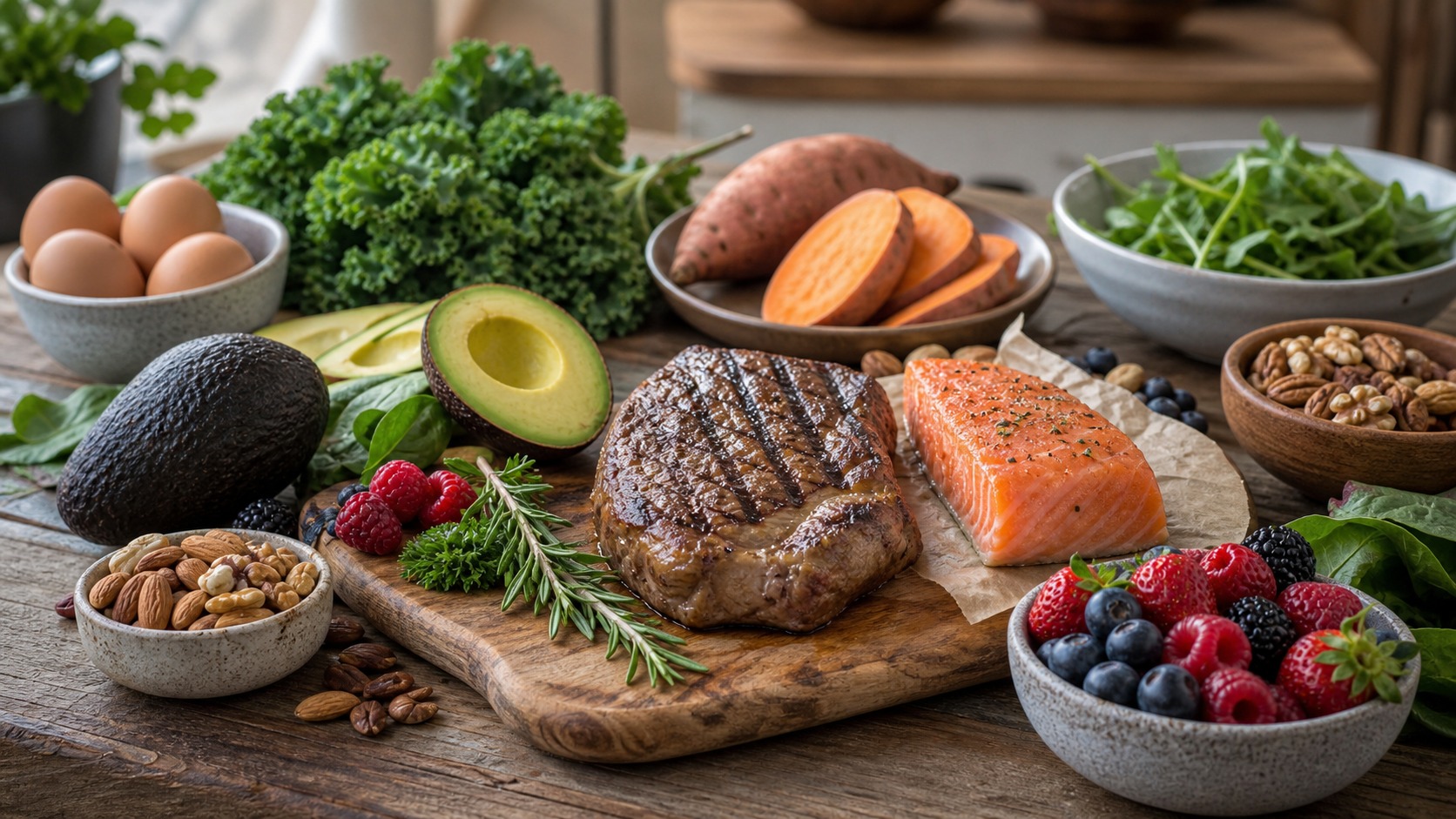
Begin with a nutrient-dense first meal. Many individuals choose a high-protein lunch that includes grilled chicken or salmon, leafy greens, quinoa or brown rice, and healthy fats like olive oil or avocado. This combination stabilizes blood sugar and prevents overeating later in the day.
Mid-window snacks can include Greek yogurt with berries, nuts, cottage cheese, or whole fruit paired with nut butter. These options maintain energy without excessive calorie density.
Dinner should include protein, vegetables, and complex carbohydrates. Lean steak with roasted vegetables and sweet potatoes, or tofu stir-fry with mixed greens and brown rice, provides a balanced end to the eating window.
Avoid the common mistake of turning the eating window into an unrestricted binge period. Intermittent fasting works best when combined with mindful portion control and nutrient-rich meals. The structure controls timing, but food quality drives outcomes.
Common Mistakes Beginners Should Avoid
Despite its simplicity, intermittent fasting 16:8 can be misapplied. One common mistake is under-eating protein. Adequate protein supports muscle retention, especially for those exercising regularly. Failing to meet protein needs can result in muscle loss during weight reduction phases.
Another mistake is overcompensating during the eating window. Some individuals assume fasting allows unlimited intake once the window opens. Excessive calorie consumption can stall weight loss and negate the benefits of fasting.
Ignoring hydration is another pitfall. Dehydration can mimic hunger, leading to unnecessary discomfort during fasting hours. Consistent water intake reduces headaches and fatigue.
Beginners should also avoid pushing too aggressively into extended fasting before mastering the 16:8 pattern. Longer fasts may have additional benefits but require experience and careful monitoring.
Finally, sleep quality must not be overlooked. Poor sleep disrupts hunger hormones such as ghrelin and leptin, making fasting significantly harder. Prioritizing consistent, restorative sleep enhances success.
Intermittent Fasting and Exercise: Finding the Right Balance
Exercise can complement intermittent fasting 16:8 when managed strategically. Many people train during the fasting window and break their fast afterward with a protein-rich meal. This approach may enhance fat oxidation while still supporting muscle recovery.
Strength training pairs particularly well with 16:8 fasting. Maintaining muscle mass supports metabolic rate and long-term fat loss. Consuming sufficient protein during the eating window ensures muscle repair and growth.
Cardiovascular exercise, such as walking, cycling, or interval training, can also fit comfortably within a fasting schedule. However, beginners should listen to their bodies. Intense workouts may initially feel more challenging while adapting to fasting.
The key is gradual progression. If energy feels low during fasted workouts, shifting exercise closer to the eating window may help. Personalization is critical. The 16:8 framework offers structure, but adjustments should reflect your training goals and lifestyle demands.
Making 16:8 a Sustainable Lifestyle
The ultimate goal of intermittent fasting 16:8 is not short-term restriction but long-term sustainability. Unlike extreme diet trends, this approach can integrate into daily routines with minimal disruption. Planning social events, family meals, and work schedules around the eating window ensures consistency. Flexibility is also important. If a breakfast meeting arises, adjusting the fasting window for that day is acceptable. Sustainability thrives on balance, not rigidity. As someone focused on discipline and long-term growth in other areas of life, you understand the power of structured systems. Intermittent fasting functions similarly. A clear framework simplifies decision-making and reduces dietary chaos. Over time, the 16:8 method can become second nature. Hunger cues align with your schedule. Energy stabilizes. Cravings diminish. Weight management becomes less about willpower and more about rhythm. Intermittent fasting 16:8 offers beginners a practical entry point into metabolic optimization. By understanding the science, prioritizing balanced meals, avoiding common mistakes, and maintaining flexibility, you create a sustainable strategy for fat loss, energy control, and long-term health. The clock is not your enemy. When used intentionally, it becomes one of your most powerful tools.